
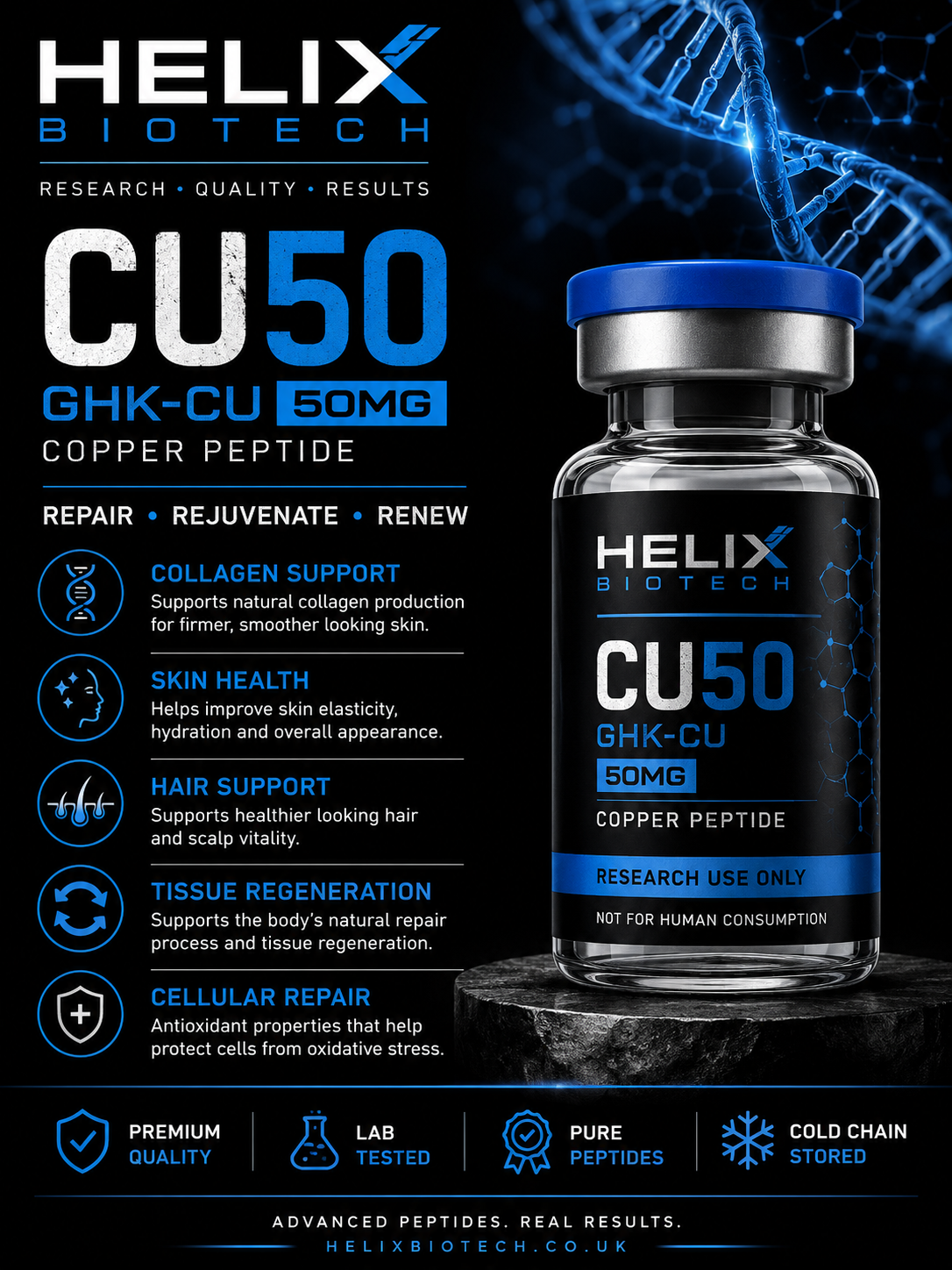
CU50 — GHK-Cu 50mg
Copper peptide complex — 50mg tripeptide-copper formulation for tissue and regeneration research.
What is CU50?
GHK-Cu (Glycyl-L-Histidyl-L-Lysine copper complex) is a naturally occurring tripeptide-copper complex found in human plasma, saliva, and urine. Helix Biotech's CU50 provides 50mg of research-grade GHK-Cu at ≥98% purity. GHK-Cu has been extensively studied for its role in tissue remodelling, wound healing, and gene expression regulation.
Key Features
- High 50mg quantity for extended research
- Naturally occurring tripeptide-copper complex
- Extensively studied biological profile
- Verified purity ≥98% by RP-HPLC
Mechanism of Action
GHK-Cu acts as a potent activator of tissue remodelling by stimulating collagen, elastin, and glycosaminoglycan synthesis. It modulates the activity of matrix metalloproteinases (MMPs) and their inhibitors (TIMPs), regulating extracellular matrix turnover. Research has also shown GHK-Cu influences gene expression, with studies identifying it as a regulator of over 4,000 human genes.
Research Applications
- Collagen synthesis and extracellular matrix studies
- Wound healing and tissue repair research
- Gene expression regulation studies
- Antioxidant and anti-inflammatory pathway investigation
- Skin biology and dermatological research
- Angiogenesis and vascular biology
Reconstitution Guide
Dissolve in sterile water. GHK-Cu is highly water-soluble. Store at 2–8°C after reconstitution.
Research Use Only. For research use only. Not for human or veterinary use. All products are intended solely for in vitro research and laboratory use. Helix Biotech does not endorse, encourage, or condone the use of any research compounds in humans or animals.
Research Tools
Related Products
View all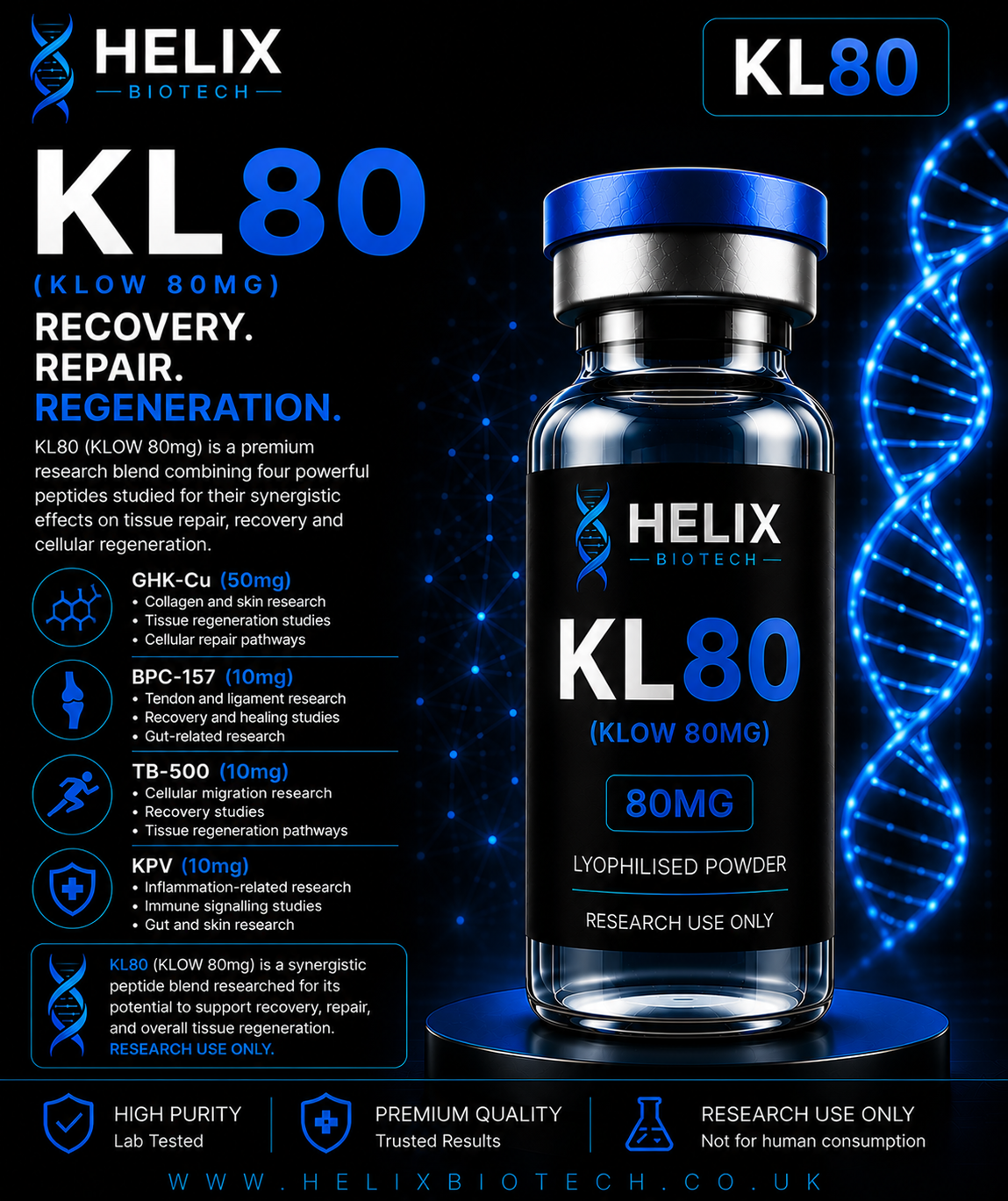
KLOW 80mg
Advanced research-grade peptide blend synthesised to pharmaceutical purity standards.
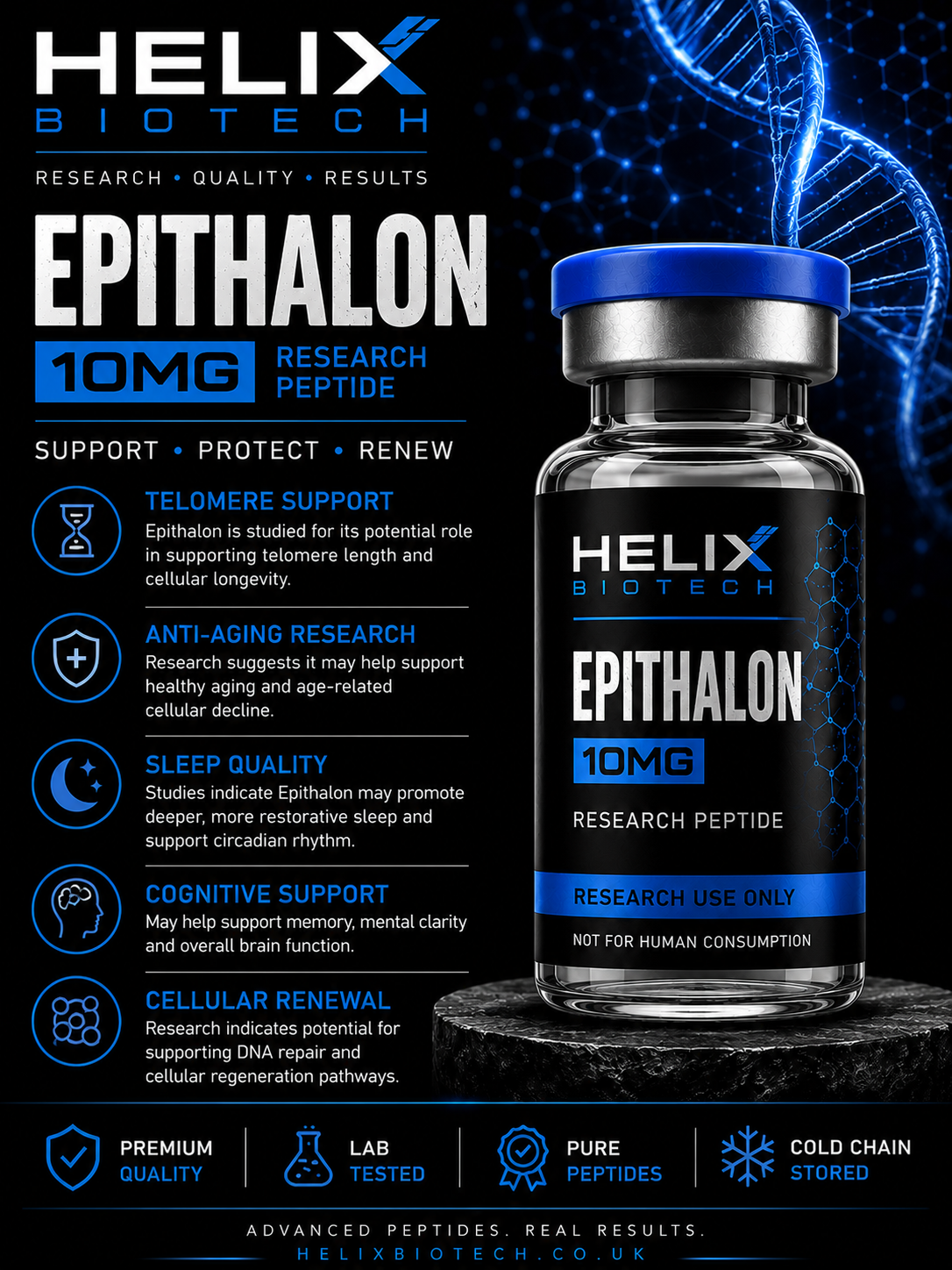
Epithalon 10mg
Tetrapeptide research compound studied for telomere support and cellular longevity.
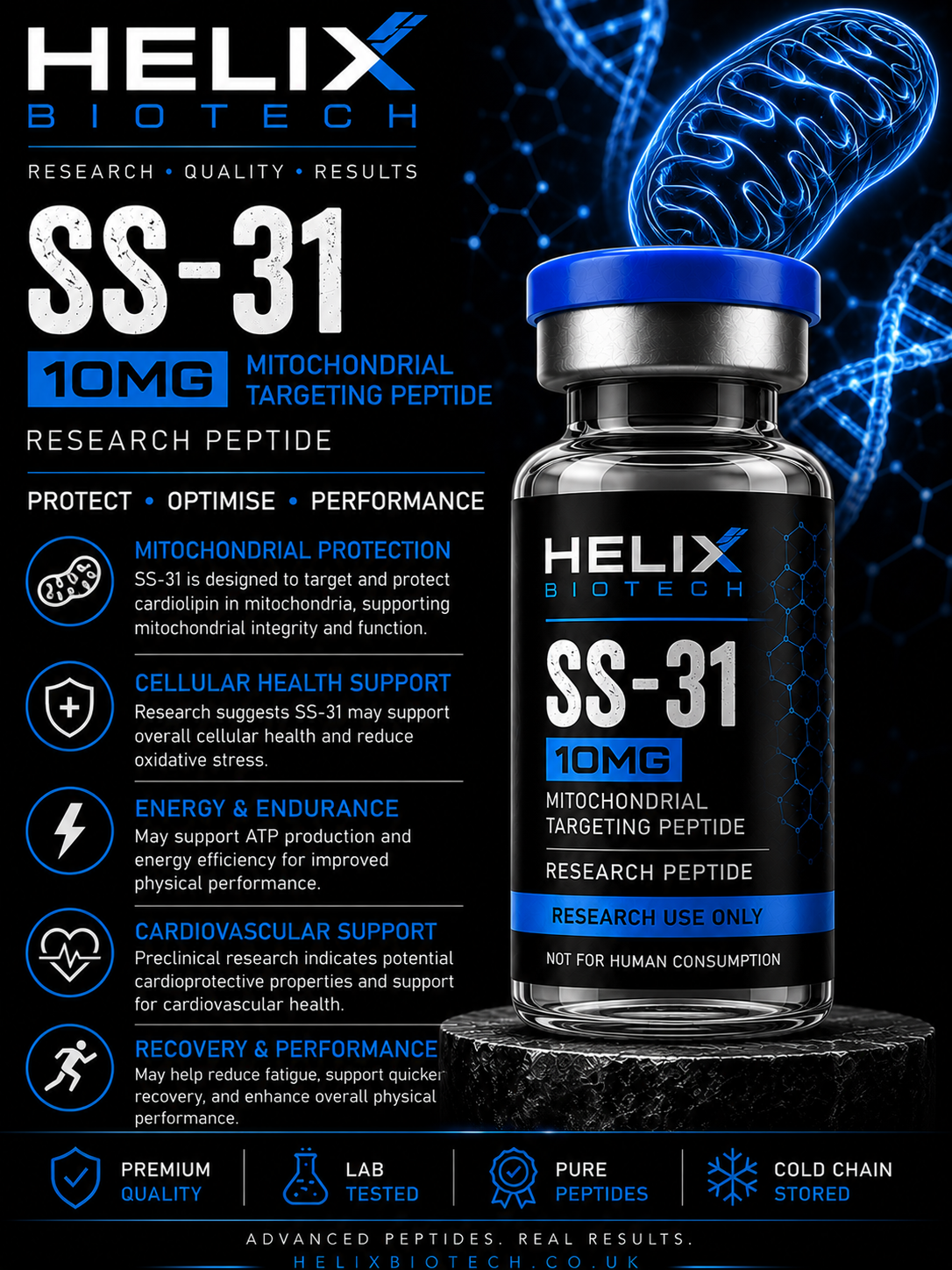
SS-31 10mg
Szeto-Schiller mitochondria-targeted peptide for cellular energy and cardiovascular research.