
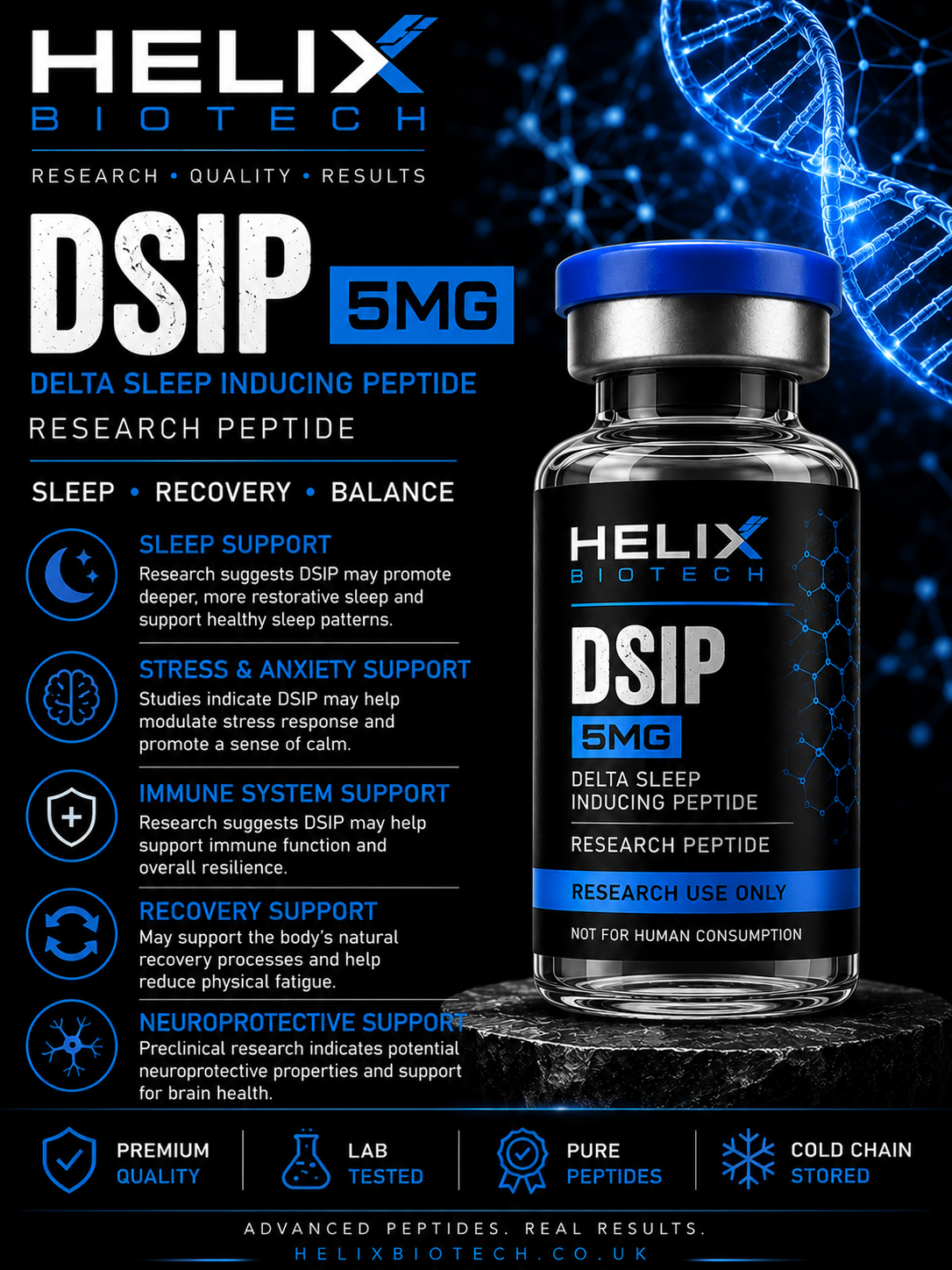
DSIP 5mg
Delta Sleep-Inducing Peptide — neuropeptide for sleep, recovery, and stress modulation research.
What is DSIP?
Delta Sleep-Inducing Peptide (DSIP) is a naturally occurring nonapeptide first isolated from the cerebral venous blood of rabbits in a state of sleep. It is found in the hypothalamus, limbic system, and pituitary gland, as well as in peripheral tissues. DSIP has been studied extensively for its role in sleep regulation, stress response, and neuroendocrine modulation.
Key Features
- Naturally occurring neuropeptide sequence
- Multi-system neuroendocrine research tool
- Well-characterised sleep biology profile
- High purity ≥98% verified by RP-HPLC
Mechanism of Action
DSIP is believed to modulate the activity of several neurotransmitter systems including GABA, serotonin, and noradrenaline. It has been studied for its ability to promote slow-wave (delta) sleep and modulate the HPA (hypothalamic-pituitary-adrenal) axis stress response. Research also suggests roles in regulating cortisol, LH, and GH secretion patterns.
Research Applications
- Sleep architecture and delta wave activity studies
- HPA axis stress response modulation
- Neuroendocrine regulation research
- GABA and serotonin system interaction studies
- Circadian rhythm and sleep-wake cycle research
Reconstitution Guide
Reconstitute with sterile bacteriostatic water. Store at 2–8°C after reconstitution and use within 28 days.
Research Use Only. For research use only. Not for human or veterinary use. All products are intended solely for in vitro research and laboratory use. Helix Biotech does not endorse, encourage, or condone the use of any research compounds in humans or animals.
Research Tools
Related Products
View all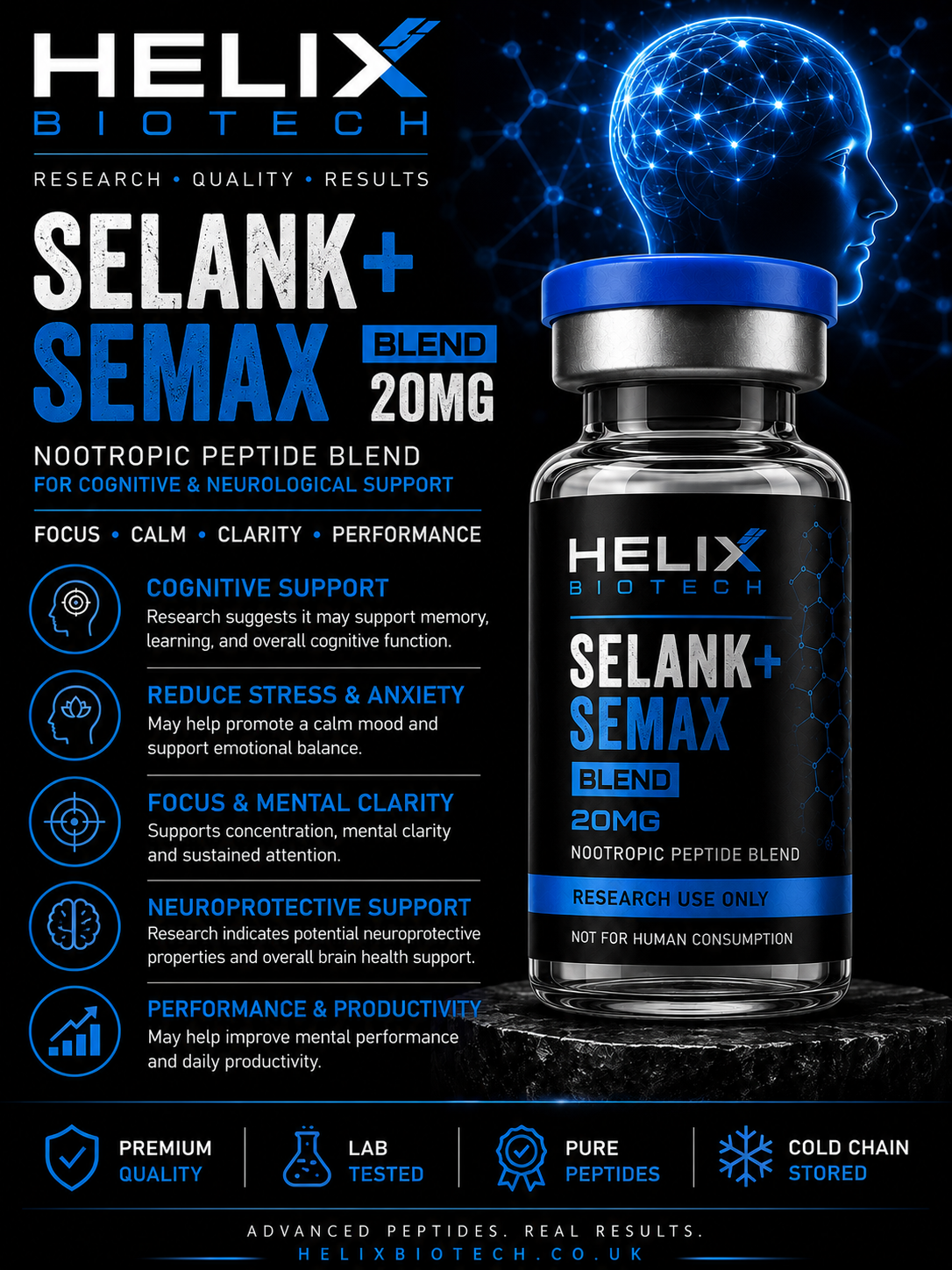
Selank + Semax Blend 20mg
Dual nootropic peptide blend for cognitive and neurological research.
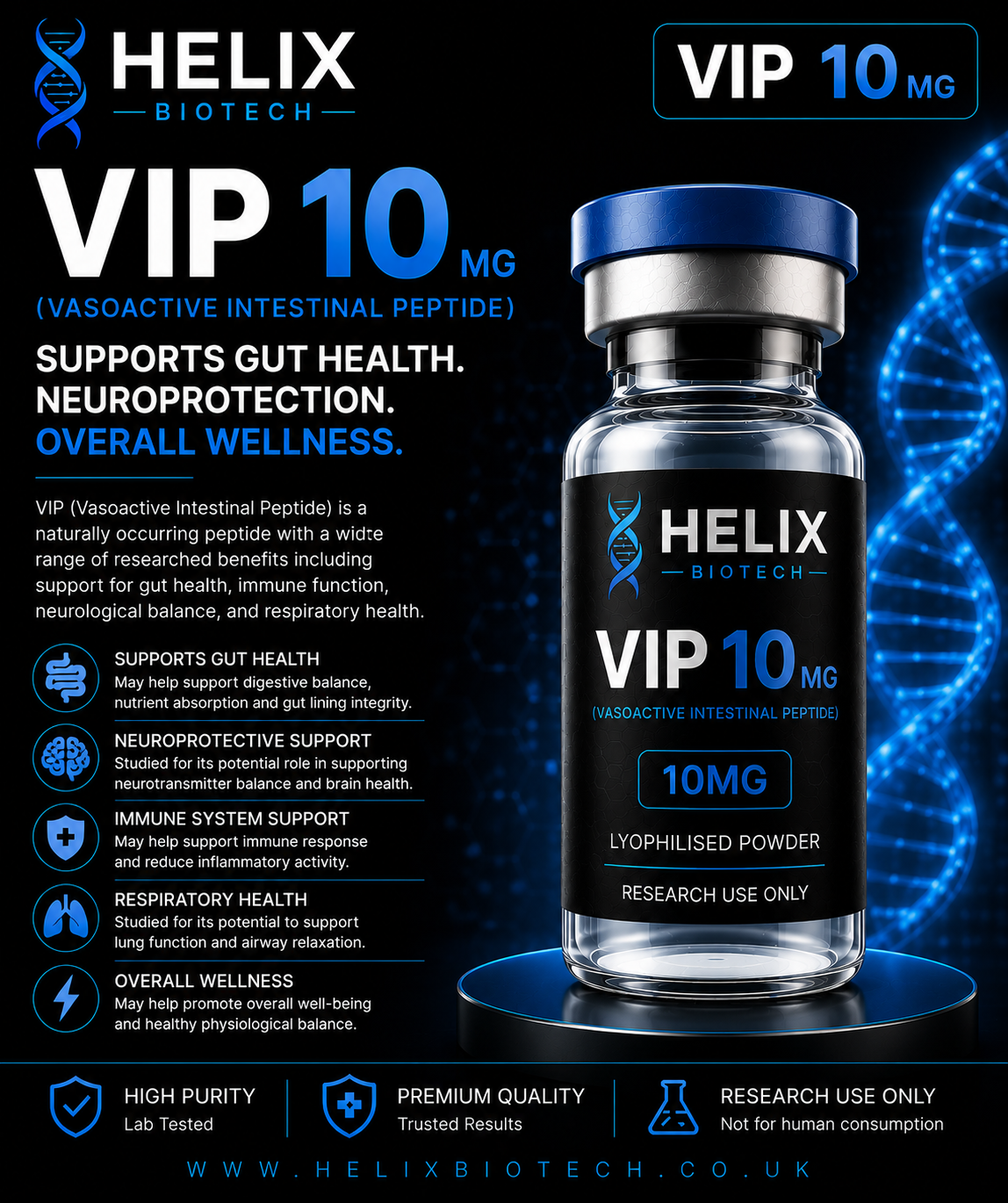
VIP 10mg
Vasoactive Intestinal Peptide researched for gut health, neuroprotection, immune modulation, and respiratory support.
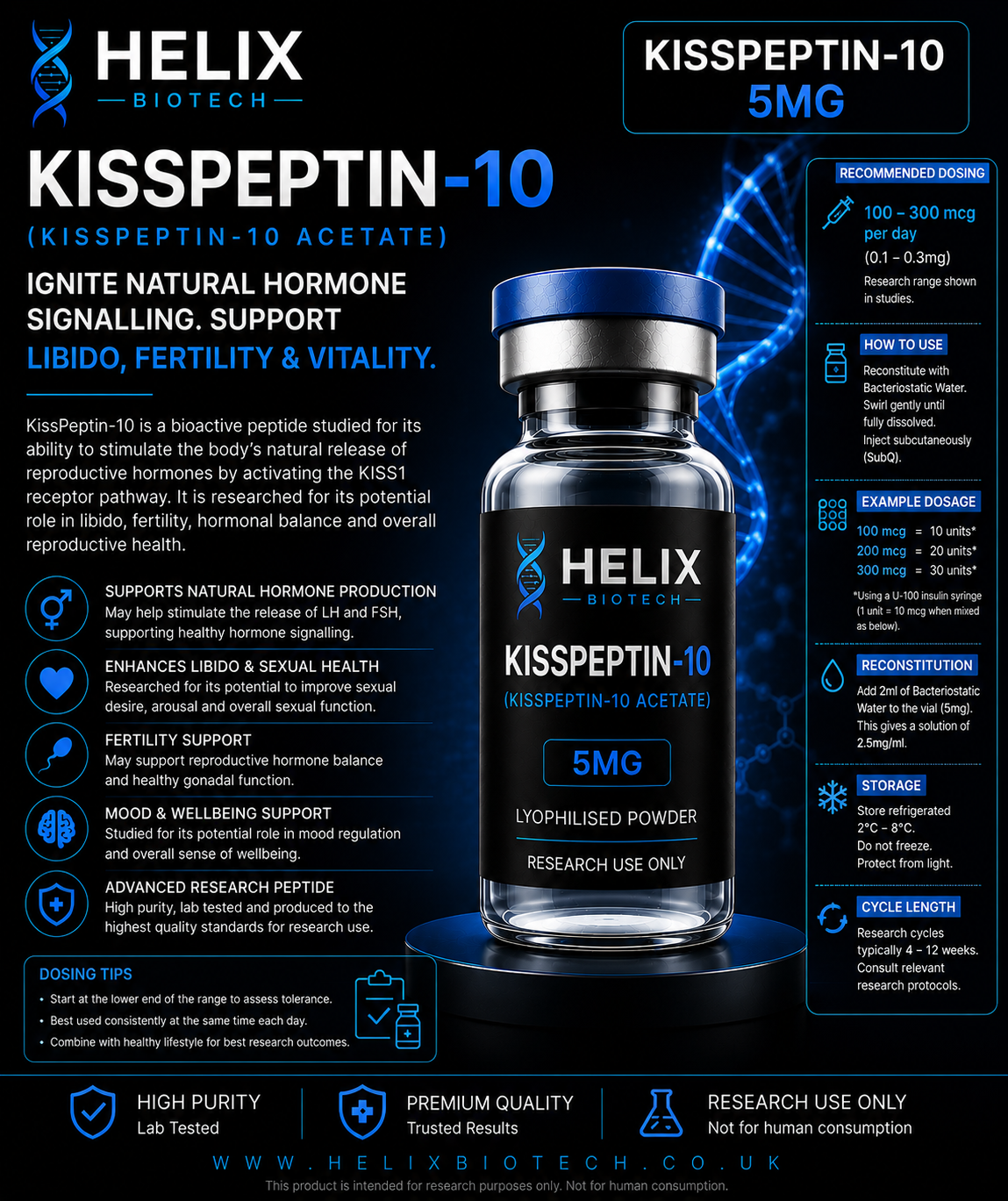
Oxytocin Acetate 5mg
Synthetic oxytocin neuropeptide researched for social bonding, emotional wellbeing, stress response, and reproductive health.